

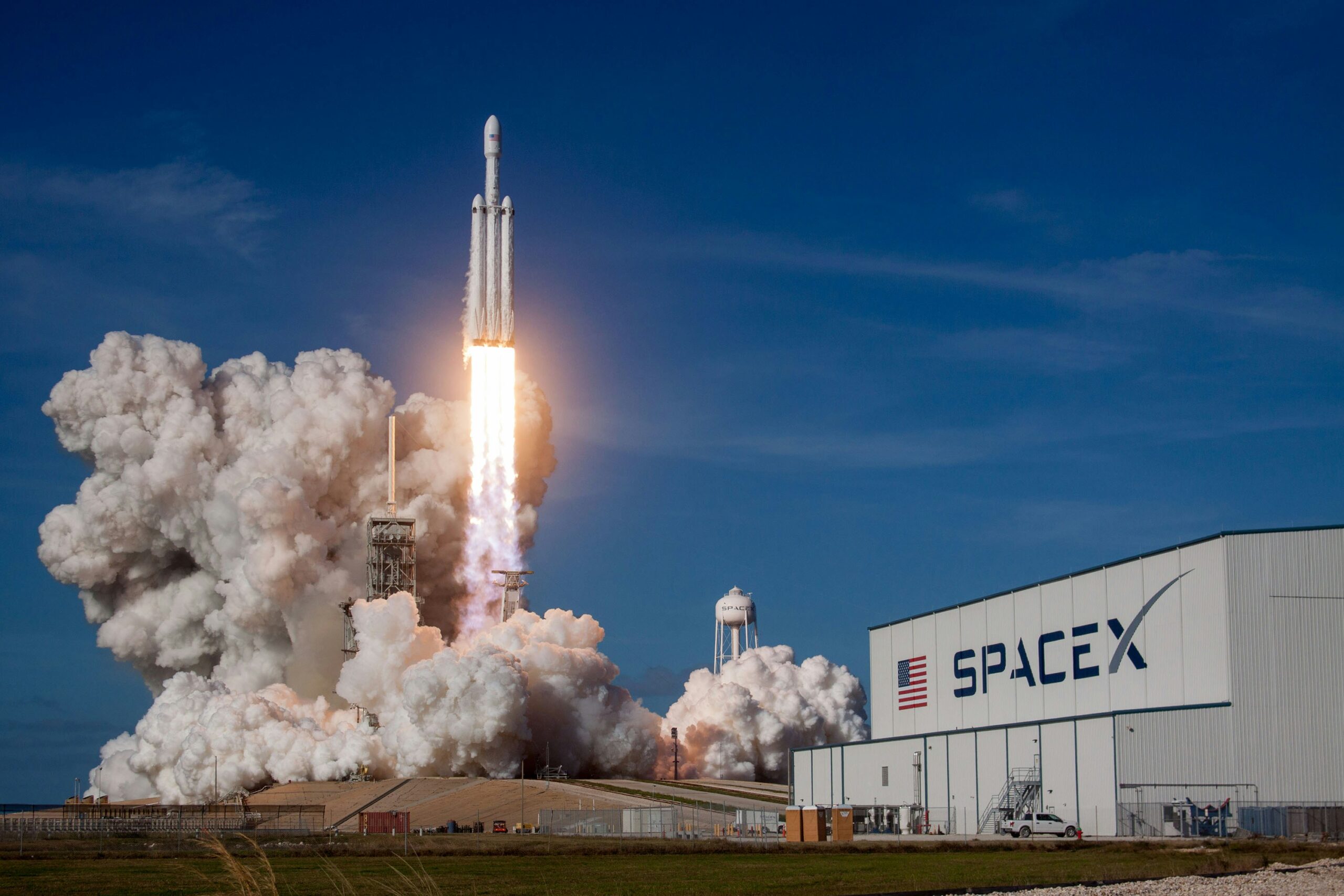
After a record-breaking IPO, the coffers at SpaceX are overflowing. To cope with this funding gusher, the company’s technology wizards have come up with an ingenious solution for flaring off investors’ assets: a mission to the sun.
A cash launch of that magnitude and distance has never previously been attempted. At about 93 million miles from earth, the sun has always been considered out of reach for direct investment.
In theory, with the U.S. dollar bill measuring a bit over six inches in length, a trillion of them laid end to end would extend all the way to the sun with millions of dollars to spare. But that is with the edges just barely touching. As a practical matter, for aeronautical and fiscal stability, any long-range money launch requires overlap from one bill to the next.
SpaceX financial technicians worked feverishly to devise a means of achieving the necessary overlay from one bill to the next, bonding the dollars together with soon-to-be-invented proprietary fiduciary instruments. The resulting launch chain, linking together one trillion dollars, will extend a cash bridge deep into the flaming surface of the sun. The financial math works out perfectly.
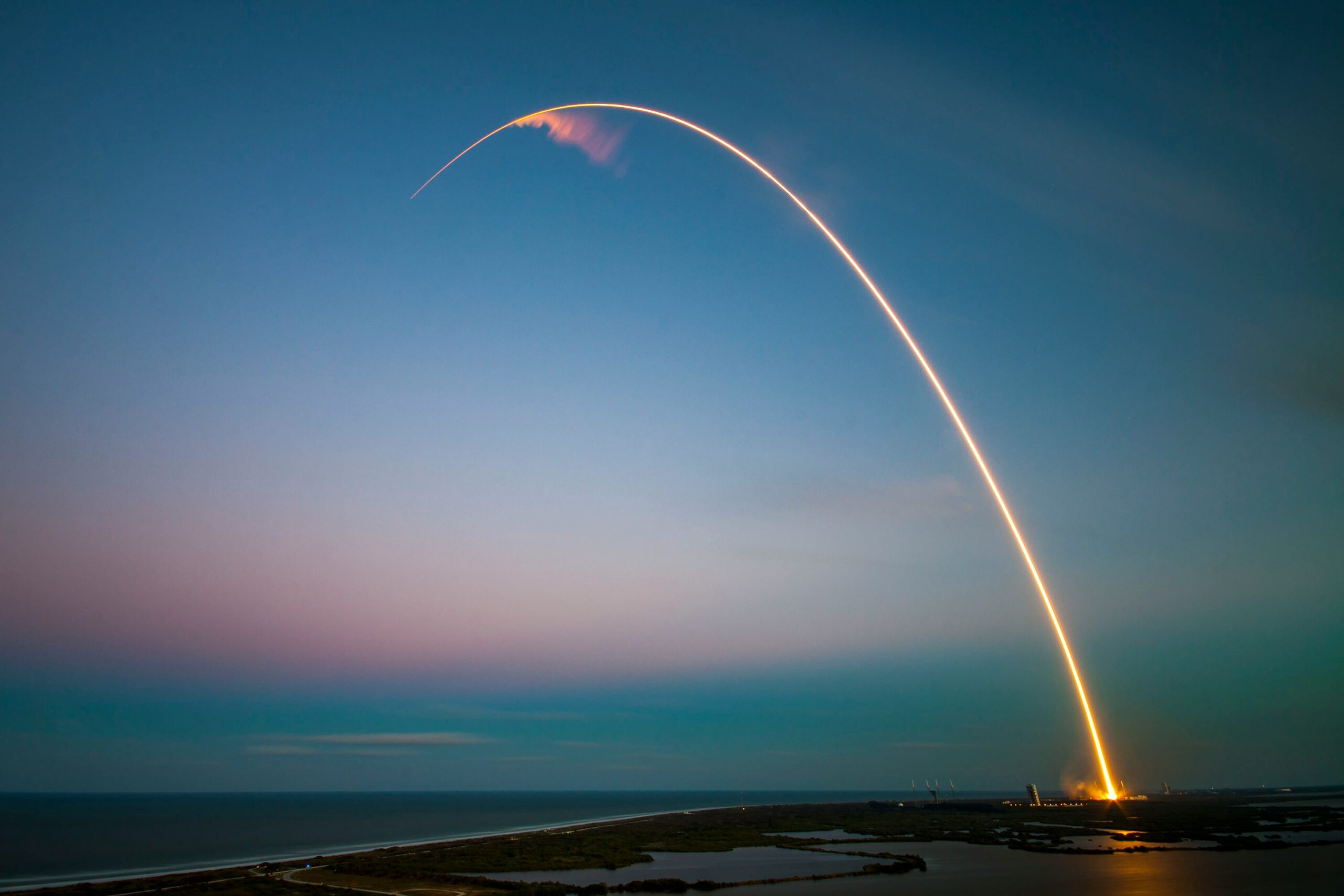
SpaceX CEO and overall mastermind Elon Musk announced on X that this will be the longest and grokiest line of credit in human history, creating a paper trail that will be visible from other galaxies.
According to company financial forecasts, once the front tip of the chain of a trillion pasted-together dollar bills reaches the solar inferno, combustion will quickly surge back up the line, pulling priceless plasma in its wake. When this blazing monetary fuse reaches our planet, it will incinerate all earthly financial assets, creating a huge market for travel to Mars, a bonanza for SpaceX shareholders.
Skeptics worry, however, that in the absence of gravity and meaningful central bank oversight, the linked-together chain of one trillion dollars could begin spinning and swinging like a jump rope, creating an inflationary spiral in space. Several prominent astronomical economists have pointed out that, in such a scenario, we have no guarantee that the resulting monetary instability would be confined to our solar system.
A SpaceX spokesperson brushed off these concerns, saying that they sounded like Jeff Bezos being jealous again.
