

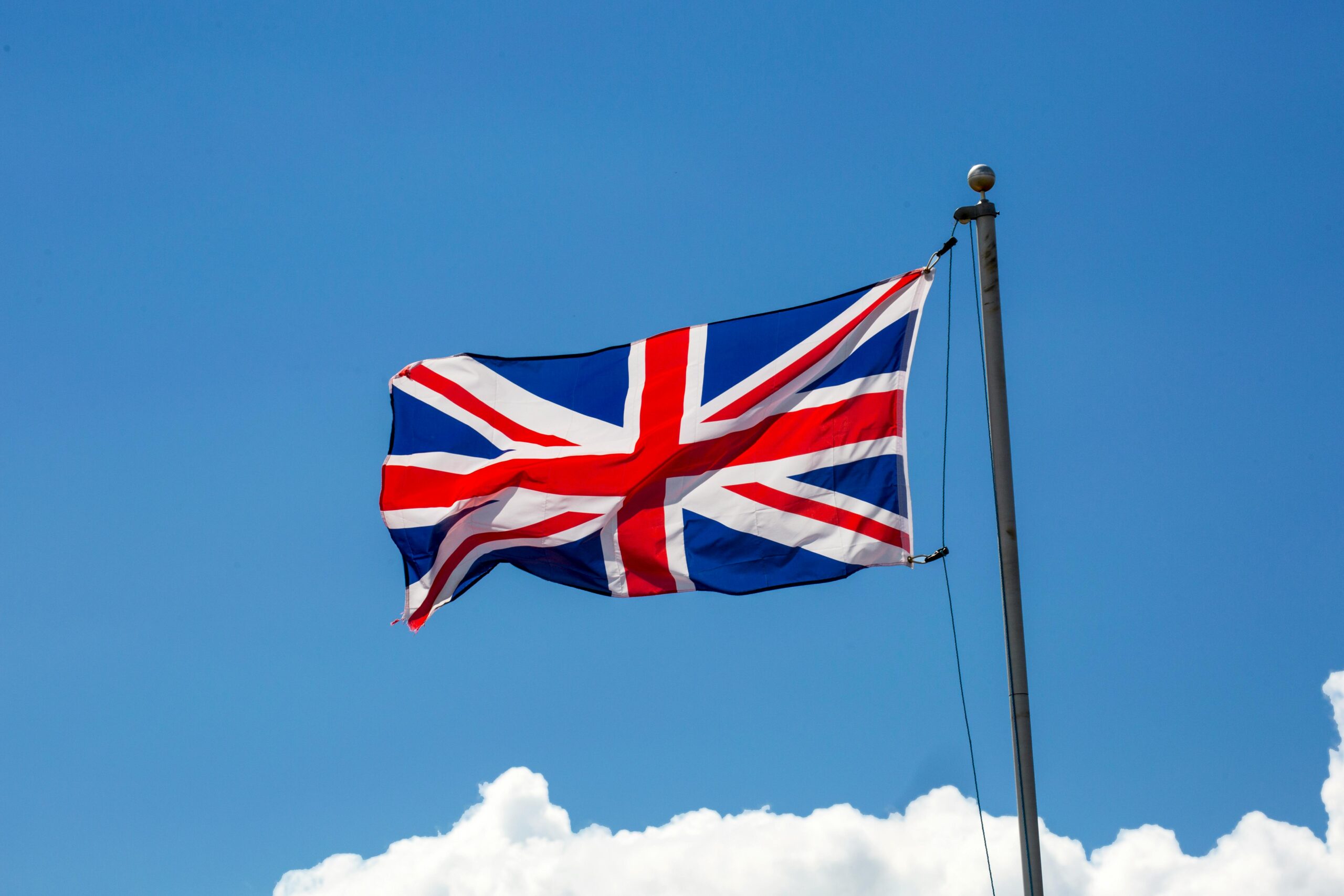
Salutations, my textual American acquaintances! It is I, the honourable Charles Joseph Nathaniel Wellington Shrewsberry, your guide and translator of The Royal Majesty’s most splendid British Language. I am aware, of course, that to the less sophisticated American palate, the English of the British Isles can seem at times as though it were a different tongue entirely to that brasher dialect of the Lesser Hemisphere of which you call yourselves natives, but fear not!
I have assembled an introductory index of common British terms and phrases to help you simpletons navigate the day-to-day conversations you’ll find in grandest Britannia without succumbing to the baser, insalubrious manners of speech that your culture has accustomed you to. Note that on our noble island there is disparity to be found in our phraseologies between Northern and Southern England, among other specific localities, in which cases multiple translations may appear for each word and their geographic applicability delineated appropriately.
- Chewing gum- otherwise known by Americans simply as gum, we Anglo-Saxons have devised a vastly more festive and descriptive term, Masticatory Pleasure Putty, or Icky-Bicky-Pink-And-Sticky in the southerly regions amongst the sailors and street urchins.
- Pets- a rather childishly unadorned name by the Americans, are rather called Domestic Canid Bow Wows for “dogs”, and Miniature Fluffy Puffy Pillow Pals for “cats”. In Cornwall “cats” may also be called Snuffle Plumps. Most common household companion animals bear their respective local monikers here, such as Wiggle Boing-Boings for rabbits, and Winged Wifeys for any screeching variety of bird.
- Cars-another barbarously monosyllabic utterance. While many Americans are aware that certain components of a “car” have different names in British English, i.e. a “hood” is a bonnet and a “trunk” is a boot, most are unaware of the moniker of the whole vehicle. The proper term is Automated Cambrian Liquid Combustion Rollingham. Again we find regrettable variation in the southern shires, where such machines are called Sooty Putter Clutter Carriages.
- Washing Machine-a rare case of a Yankee attempt at refined nomenclature, albeit a rather garish byproduct of their Cro-Magnon proclivities. These are instead called Motorized Centrifugal Textile Cleaning Basins in the upcountry, or Frothy Washy Spinny Bins in the boroughs of lesser refinement, where grammar itself is considered a peculiar affectation of the continental elites.
- Ice Cream-a staple of the American diet, although its true provenance is of the most westerly corner of southeastern Northumbria. Nevertheless, in these great isles it is to be properly called Hypothermic Lactic Jolly Slop. In Wales it is often called Milky Merriment Giggle Paste, but in keeping with Welsh tradition, is spelled locally with 9 extra “L’s” scattered carelessly throughout.
- Park- a truly ugly word, reminiscent of a sound produced by a retching donkey. By higher society a “park” is called a Grassy Public Frolic Plot, or a Fair Weather Trotting Mound in the municipality of Leeds.
- Refrigerator- an appliance invented in the wake of the Horse Meat Riots of 1881 to ameliorate the plague of spoiled equestrian cuts and rat paste that our culinary traditions hold so dear. These are in Britain referred to as Hard Tack and Lard Snack Shiver Quivers.
- Airplane- a nonsensical gibberish word from the United States. Migratory Turbine Gliding Tubularities is the proper name, invented by the great Reginald Bartholomew Hinteron Ward in 1721 to aid the King in conducting the first air raids to facilitate the Firebombing of Rotterdam during the War of the Impetuous Cobblers. Also called a Stratospheric Whistle Git in the border wastelands between England and Scotland.
- Bank- An appallingly rudimentary word ripped straight from the diction of the piratical Norse. Any person of proper education and respectable lineage would know that a “bank” is in actuality called a Goodies and Coinage Repository, or a Clanky Wanky Money Tanky in those pastoral districts where sheep are taken as partners in romance.
- Sidewalk- a word that could only be conjured up by those most lacking in erudition. When on holiday in this valiant nation, it is imperative to understand that such things are in fact called Parallel Cementitious Pedestrian Wander Ways, or as they are called in the lowland backwaters outside the hamlet of Snivelmore, Elevated Strutting Courses.
Hopefully, with this indispensable reference in hand, even the most unpolished colonial nonce can perhaps begin to mimic in their lexicon the linguistic brilliance of their forefathers. Please note that failing to use such terminology will result not only in confusion, but may induce a punitive bout of targeted expectoration in the direction of the offender(s). You’re welcome.
Yours,
Charles Joseph Nathaniel Wellington Shrewsberry